Introduction
In a startling turn of events in the Strait of Hormuz, three cargo ships were fired upon just hours after President Donald Trump extended a fragile ceasefire in the region. This incident raises significant concerns about maritime safety and geopolitical tensions in one of the world’s most important waterways.
Incident Overview
On the morning of the attack, around 4:55 AM local time, a Liberia-flagged container ship sustained heavy damage from gunfire and rocket-propelled grenades while navigating northeast of Oman. The Iranian Revolutionary Guards took responsibility for the assault, claiming the vessel ignored their warnings prior to the engagement.
Targeted Vessels
Aside from the Liberia-flagged vessel, a Greek-operated container ship was also targeted. The ship’s master reported that prior to the assault, they had received permission to cross the Strait of Hormuz, a key maritime route for global shipping.
Additionally, a Panama-flagged vessel was fired upon approximately 15 kilometers west of Iran, as reported by the UK Maritime Trade Operations (UKMTO), a British naval monitoring organization. Fortunately, the crew of all targeted vessels remained safe, and the damage from the strikes was reportedly minimal.

Geopolitical Context
The Strait of Hormuz is a pivotal maritime passage that connects the Persian Gulf to the Arabian Sea. Roughly 20% of the world’s oil trade traverses this narrow strait, making it a hotspot for international shipping and potential conflicts. The recent attacks highlight the escalating tensions between Iran and Western nations, particularly in light of Trump’s decision to extend the ceasefire.
Trump’s Ceasefire Extension
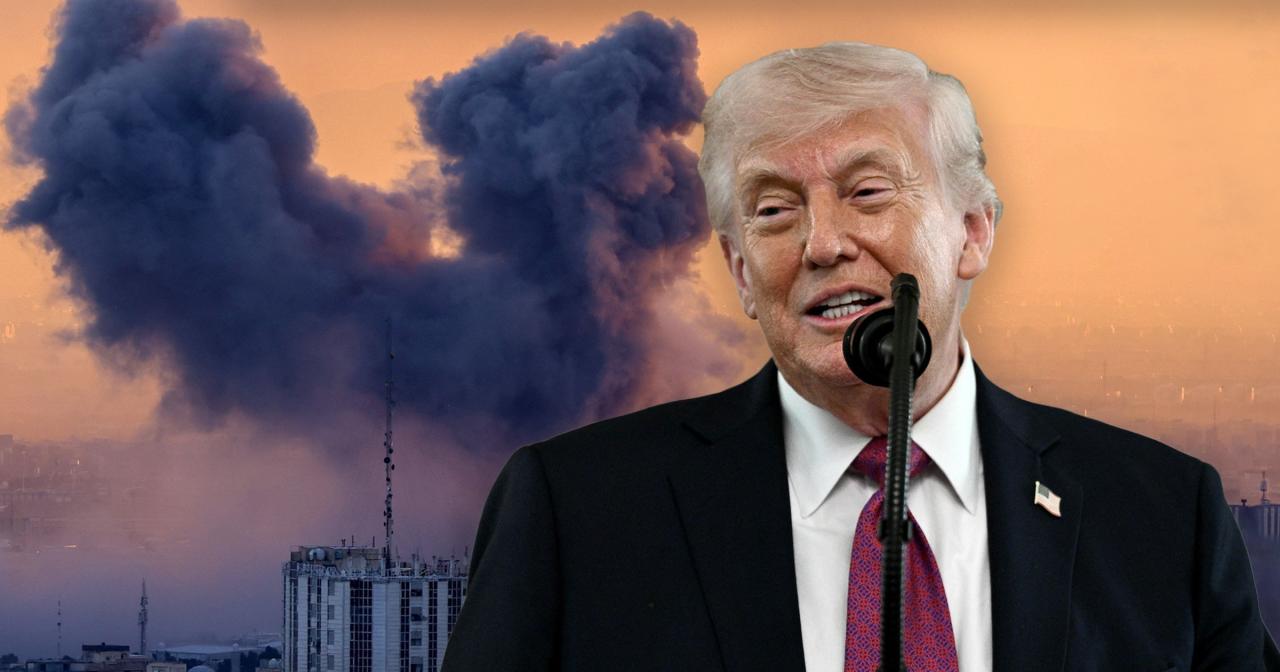
President Trump’s extension of the ceasefire aimed to maintain a fragile peace amidst growing tensions in the region. The decision reflects a complex interplay of diplomatic relations and military posturing. However, the attacks on the three ships raise questions about the effectiveness of this ceasefire and the challenges facing maritime security in the region.
Response from Maritime Authorities
The UK Maritime Trade Operations (UKMTO) promptly issued updates following the incidents, reassuring other vessels operating in the region that safety protocols were in place. This incident emphasizes the importance of maritime surveillance and the need for vessels to remain vigilant when passing through high-risk areas.
Implications for International Shipping
The attacks on these ships may have significant implications for international shipping and trade. Ship owners and operators will need to reassess their risk management strategies when navigating through the Strait of Hormuz. Increased insurance costs, as well as potential delays in shipping schedules, may follow as a consequence of heightened maritime threats.
Strategies for Maritime Safety
To mitigate risks, shipping companies can adopt various strategies, including:
- Implementing enhanced security protocols for vessels operating in high-risk regions.
- Increasing situational awareness through real-time monitoring and communication with maritime authorities.
- Considering alternative routes when feasible to avoid conflict zones.
Conclusion
The recent firing upon three ships in the Strait of Hormuz serves as a stark reminder of the volatile geopolitical landscape that exists in this vital waterway. With tensions running high, the implications for international shipping are profound, prompting the need for vigilant maritime security measures. As stakeholders navigate this complex environment, the need for collaboration among nations and maritime organizations becomes ever more critical to ensure safety and stability in global trade.