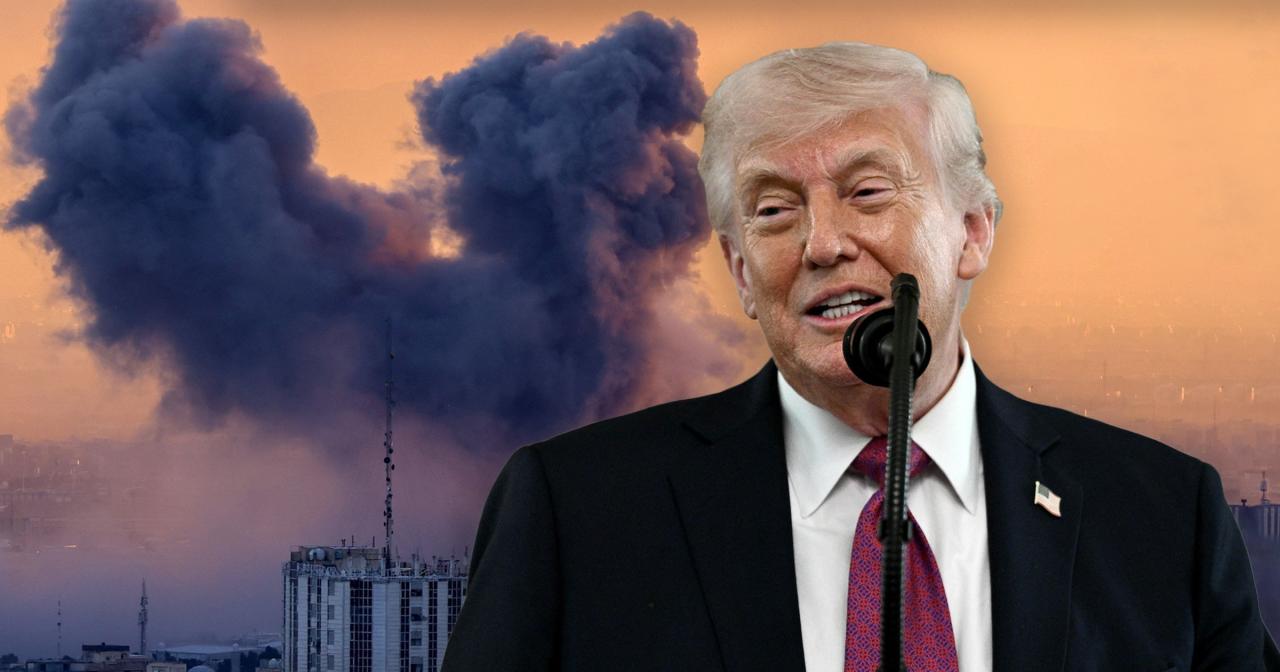
In the five days since the conflict with Iran erupted with explosions in the heart of Tehran, British Prime Minister Keir Starmer has repeatedly stressed that the United Kingdom is not seeking direct involvement in the war.
His initial stance was clear: Britain would not allow the United States to launch offensive strikes against Iran from British bases. The decision was aimed at keeping the UK outside the front lines of the rapidly escalating conflict.
However, the position softened slightly days later when the government allowed US forces to use certain British facilities for defensive operations targeting Iranian missile depots and launch sites. Even then, the prime minister emphasized that such support should not be interpreted as direct participation in the war.
Despite those efforts to limit involvement, the unpredictable nature of the conflict means circumstances could change rapidly. With Iran launching missiles and drones across multiple targets in the Middle East and Western forces increasing their presence in the region, analysts warn that the risk of escalation remains high.
There are also few signs that tensions will ease anytime soon.
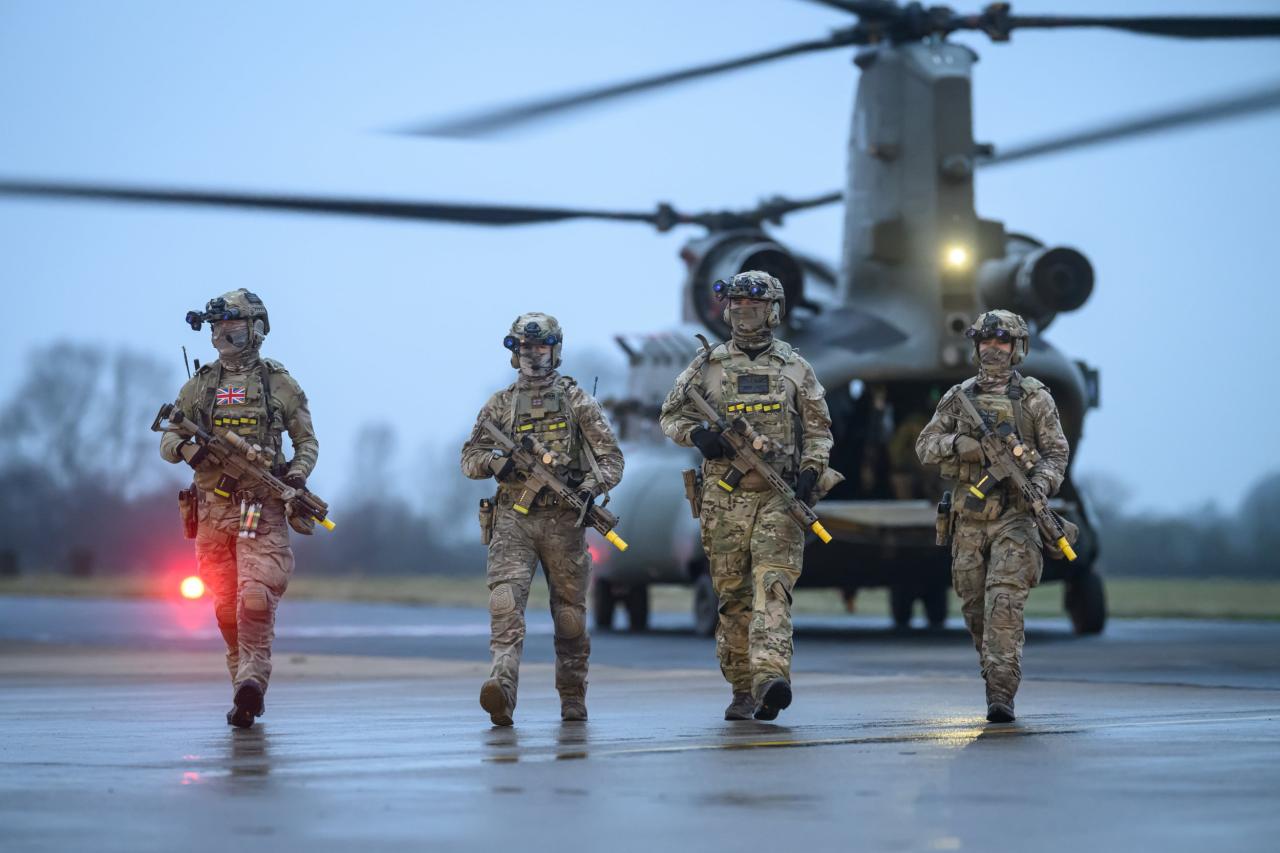
On Friday, Starmer announced that the UK would deploy four additional Typhoon fighter jets and Wildcat helicopters equipped with anti-drone capabilities to the Middle East. The move, according to the government, is intended to help protect British personnel and interests in the region.
What Could Push the UK Into the War?
Military experts say several scenarios could force Britain to move from a defensive role to direct involvement.
Dr. Patrick Bury, a former British Army captain and NATO analyst who now teaches at the University of Bath, outlined several developments that could significantly change the situation.....