Trump Administration Warns Media Over Critical Iran War Coverage as FCC Raises Threat of Broadcast License Revocation
The administration of Donald Trump has issued a strong warning to U.S. news outlets, suggesting that broadcasters could risk losing their licenses if they continue airing what officials describe as “distorted” or misleading reporting about the war involving Iran.
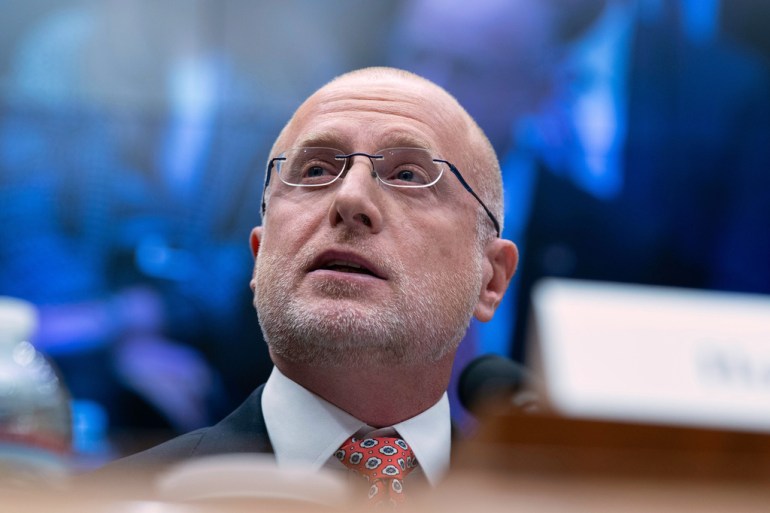
The statement came from Brendan Carr, head of the Federal Communications Commission (FCC), who said media companies are required to operate in the “public interest” or face possible regulatory consequences.
In a social media post on Saturday, Carr argued that broadcasters spreading what he called “hoaxes and news distortions — also known as fake news” should reconsider their editorial approach before their broadcasting licenses come up for renewal. According to Carr, stations that fail to meet federal standards for responsible reporting could face scrutiny during the renewal process.
The warning is the latest escalation in tensions between the Trump administration and major U.S. media organizations over coverage of the conflict involving Iran. Critics say the remarks could signal growing pressure on broadcasters to align their reporting with the administration’s narrative regarding the war.
Carr has previously drawn controversy for statements that appeared to challenge media outlets that criticize the president. Last year, he publicly urged the network ABC and its distributors to review the conduct of late-night host Jimmy Kimmel, whose program frequently mocked the president. During a podcast appearance, Carr warned the network that it could “do this the easy way or the hard way,” remarks that sparked debate about political pressure on media organizations.
The latest comments triggered immediate backlash from politicians and free-speech advocates, who warned that threatening broadcast licenses over critical reporting could undermine press freedom in the United States.
U.S. Senator Brian Schatz strongly condemned the statement, saying the remarks amount to a directive for media outlets to present positive coverage of the war or risk regulatory retaliation.
“This is a clear directive to provide positive war coverage or else licenses may not be renewed,” Schatz wrote, adding that the issue is far more serious than disputes over entertainment programs. “The stakes here are much higher because it concerns how a war is reported to the public.”
Free-speech advocates echoed similar concerns. Aaron Terr from the Foundation for Individual Rights and Expression warned that government pressure on broadcasters over editorial decisions could threaten fundamental protections for press freedom.
The controversy has reignited debate in Washington over the balance between federal broadcast regulations and the constitutional protections guaranteed to journalists under the First Amendment, particularly during periods of international conflict when public access to independent reporting becomes increasingly important.